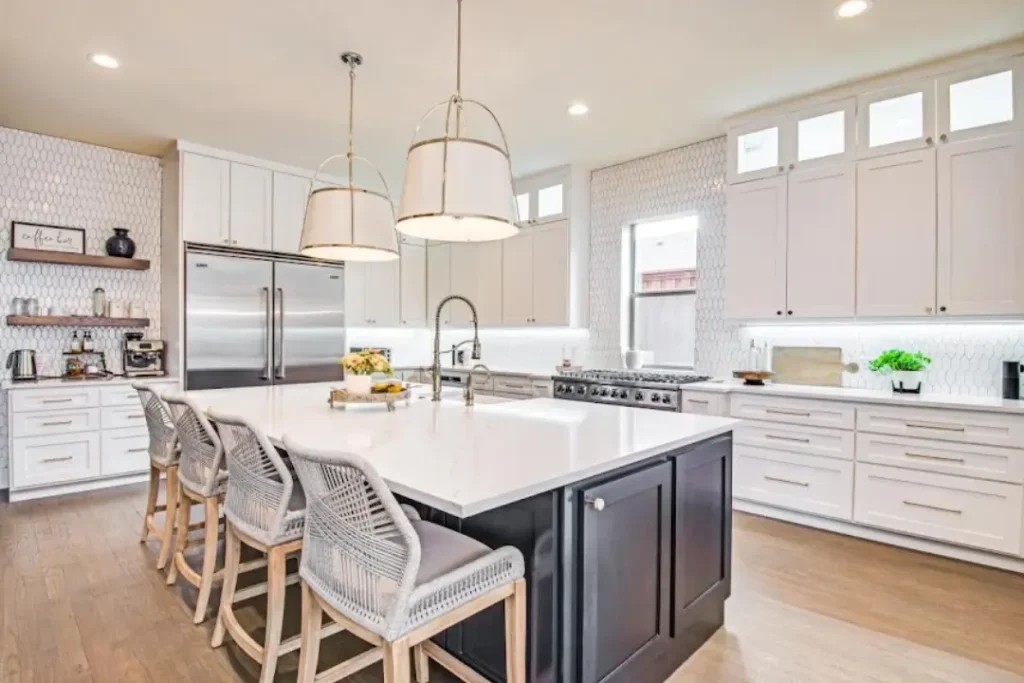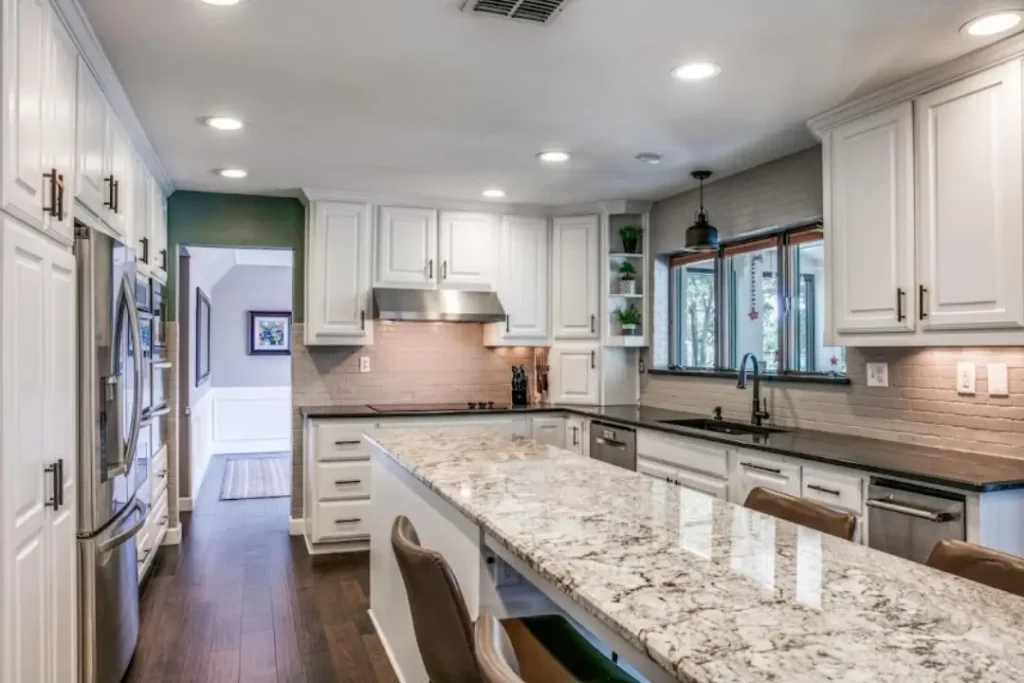


The best way to save money on a kitchen remodel is to plan your budget, reuse existing features, choose cost-effective materials, and compare contractor estimates before starting the project.
Planning a kitchen renovation doesn’t have to be overwhelming. Read our practical guide to discover where you can save and where quality matters most.
What a Kitchen Remodel Really Costs in Tulsa
The cost of a kitchen remodel in Tulsa and surrounding cities in Oklahoma depends on your kitchen’s size, material choices, and the amount of work involved. As a general guide, here’s what homeowners can expect to pay for different kitchen remodeling projects.
| Kitchen size | Estimated remodeling cost |
| Small kitchen | $10,000–$20,000 |
| Medium kitchen | $20,000–$45,000 |
| Large kitchen | $45,000–$80,000+ |
These are approximate budgeting ranges, not fixed prices. Your actual cost will depend on the condition of your existing kitchen, the materials you choose, and the scope of the renovation. We recommend setting aside an additional 10–15% of your budget for unexpected expenses.
Where Your Money Actually Goes
After working on kitchen remodeling projects in Tulsa and nearby communities for years, we’ve seen that certain parts of a remodel typically account for the largest share of the budget.
Here are the main areas where most of your kitchen remodeling budget goes:
- Cabinets: Cabinets often account for a large share of your budget.
- Labor: Demolition, installation, plumbing, and electrical work add to the total expense.
- Countertops: Quartz, granite, and laminate come at different price points.
- Appliances: Refrigerators, ovens, dishwashers, and cooktops can quickly increase costs.
- Flooring and backsplash: Tile, vinyl, and other finishes vary in price.
How Can A Homeowner Save Money During Kitchen Remodeling?

A kitchen remodel doesn’t have to drain your savings. With smart planning and practical choices, Oklahoma’s property owners can create a beautiful, functional kitchen without overspending. We share some tricks below:
1. Decide What Matters Most
Before starting your kitchen remodel, identify the one or two features that matter most to you. Maybe you want durable quartz countertops, more storage space, or a larger kitchen island.
Allocate more of your budget to these priorities and look for savings in less important areas. For example, if new countertops are your main goal, you might keep your existing cabinets and choose affordable flooring.
This approach helps you get the kitchen you want without paying for upgrades you don’t really need. Make a list of must-haves and nice-to-haves before meeting with your remodeling contractor so your spending stays focused.
2. Keep Your Current Layout
Changing your kitchen layout often significantly increases remodeling costs because it may require moving plumbing lines, gas connections, electrical wiring, and ventilation.
Sometimes we recommend keeping the sink, stove, and refrigerator in their existing locations to avoid much of this extra work. If your current sink works well where it is, replacing it without relocating the plumbing saves money on labor and installation.
Remember that you can still give your kitchen a fresh look with new cabinets, countertops, lighting, and finishes. Unless your existing layout creates serious functionality problems, consider updating the space around it rather than starting from scratch.
3. Reuse or Refresh Existing Cabinets
Cabinet replacement takes up a substantial portion of your kitchen remodeling budget. If your existing cabinet boxes are structurally sound and the layout works for you, consider refreshing them instead of installing new ones.
Painting cabinets give them a modern appearance, while replacing outdated doors, drawer fronts, and handles make them look almost new. You can also add organizers or pull-out shelves to improve storage without replacing the entire cabinet system.
However, if the cabinets have water damage, warped boxes, or serious structural problems, replacement may be the better long-term investment. So, have your contractor assess their condition before deciding.
4. Choose Budget-Friendly Surface Materials
Countertops and other surface materials quickly increase your remodeling expenses, but premium options aren’t your only choice.
Laminate countertops offer a range of colors and patterns at an affordable price, while butcher block adds warmth and natural character. Builder-grade quartz also provides an attractive finish without the cost of more expensive stone options.
When choosing materials, compare the purchase price, installation costs, durability, and maintenance requirements rather than focusing on appearance alone.
A cheaper material may require more upkeep over time, so consider its long-term value. You need to ask your Tulsa remodeling contractor about readily available materials that fit your design preferences and budget.
5. Be Smart About Appliances
Replacing every kitchen appliance during a remodel isn’t always necessary. If your refrigerator, dishwasher, or range still works reliably and meets your needs, keeping it can free up money for more important upgrades.
When an appliance does need replacing, compare prices across several retailers and look for seasonal promotions, clearance models, or package discounts when buying multiple items.
Check delivery, installation, and haul-away fees before making a purchase, as these can increase the final cost.
Also, confirm appliance dimensions and utility requirements before ordering to avoid expensive fitting problems. Planning appliance purchases early helps your contractor coordinate installation and reduces the risk of delays.
6. Pick Budget-Friendly Flooring, Backsplash, and Lighting
You can refresh your kitchen’s appearance without choosing expensive finishes for every surface. Affordable ceramic tiles, standard subway-tile backsplashes, and simple light fixtures create a clean, updated look.
If your existing hardwood flooring is in good condition, refinishing it may cost less than installing new floors. For other spaces, compare durable options such as vinyl flooring with more expensive tile or hardwood.
Lighting is another area where you can control costs. Straightforward pendant lights or practical LED fixtures can improve visibility and appearance without a premium price tag.
Choose finishes that complement one another so the kitchen feels cohesive without requiring costly materials.
7. Time Your Remodel and Order Materials Smartly
Our experience says that good timing and preparation prevent unnecessary remodeling expenses. Start planning early, finalize your material selections, and confirm measurements before placing orders.
When materials arrive late or don’t fit properly, contractors may need to reschedule work, potentially adding labor costs or extending the project timeline. So, ask your contractor which items have longer lead times, such as custom cabinets or specialty appliances, and arrange deliveries accordingly.
Avoid changing designs after construction begins unless necessary, because revisions mean extra materials, additional labor, and delays. Before work starts, establish a clear scope of work, confirm the schedule, and keep a contingency fund for unexpected issues.
Kitchen Remodeling Costs You Shouldn’t Skip On

Saving money is important, but some parts of a kitchen remodel deserve careful investment to protect your home and avoid costly repairs later.
Waterproofing and Moisture Protection
Your kitchen deals with water every day, especially around the sink, dishwasher, and plumbing connections. Cutting costs in these areas may seem harmless at first, but even a small leak can lead to expensive repairs. Make sure your contractor addresses existing moisture issues and uses suitable materials to protect vulnerable areas before installing new finishes.
Electrical Wiring and Plumbing
Electrical wiring and plumbing are not areas where you want to take unnecessary risks. If your kitchen needs electrical or plumbing updates, work with qualified professionals who follow applicable building codes and permit requirements. Investing in safe, reliable systems now help you avoid unexpected repairs and give you greater peace of mind.
Professional Installation and Workmanship
Choosing the lowest installation quote can be tempting, but poor workmanship may cost more to fix than doing the job correctly the first time. Before hiring a contractor, review their previous projects, check references, and compare detailed estimates rather than price alone. Quality installation protects your investment and ensures your new kitchen performs as well as it looks.
How to Get Good Quotes and Avoid Hidden Costs
Before starting your project, get detailed kitchen remodeling quotes from at least two or three contractors. Compare what each estimate includes, such as materials, labor, demolition, installation, and cleanup.
A lower quote isn’t always the better deal if important services are excluded. Ask contractors to explain any price differences and confirm the quality and type of materials included in their estimates.
Our team provides clear, detailed estimates so you know what to expect before work begins. We explain material costs, labor, project timelines, and potential additional expenses, helping you plan your budget with confidence.
Frequently Asked Questions
What is the most expensive part of a kitchen remodel?
Cabinets are often the biggest expense, followed by labor, countertops, and appliances. Keeping existing cabinets help homeowners reduce remodeling costs.
Is it cheaper to reface kitchen cabinets or replace them?
Refacing is generally cheaper because it updates cabinet doors and finishes while keeping existing boxes, provided they’re structurally sound and functional.
How can I avoid going over budget during a kitchen remodel?
Set a realistic budget, compare detailed contractor quotes, finalize material selections early, and reserve 10–15% for unexpected expenses.