Remodeling kitchen countertops involves more than replacing an old surface. The process includes choosing the right material, planning your budget, preparing cabinets, creating accurate templates, fabricating the countertop, and completing professional installation.
In this guide, we explain each step, budget-saving options, and practical tips for better results.
What Are the Latest Kitchen Countertop Trends?
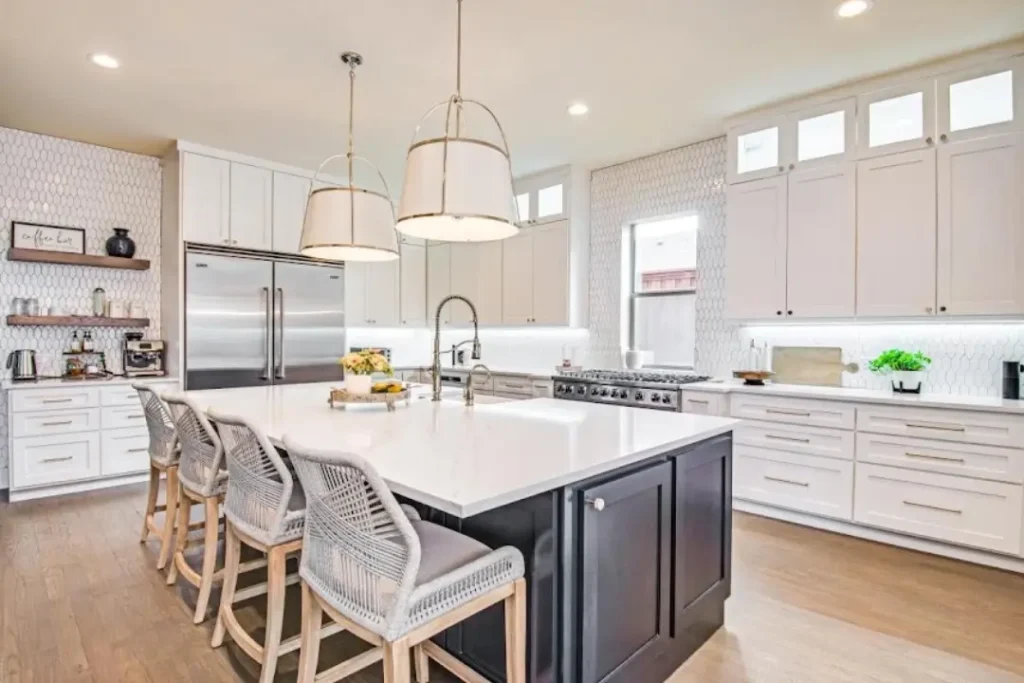
Kitchen countertops are becoming warmer, bolder, and more natural-looking. Homeowners are choosing stylish surfaces that combine beauty, durability, and easy care. These are trendy:
- Warm Earthy Colors: Beige, taupe, and terracotta create cozy, welcoming kitchen spaces.
- Dramatic Veining: Bold patterns add character and make countertops beautiful focal points.
- Natural Quartzite: Unique stone patterns offer luxury, durability, and natural beauty.
- Marble-Look Surfaces: Realistic marble patterns deliver elegance with easier everyday maintenance.
- Porcelain Countertops: Durable porcelain provides heat, stain, and scratch resistance for busy kitchens.
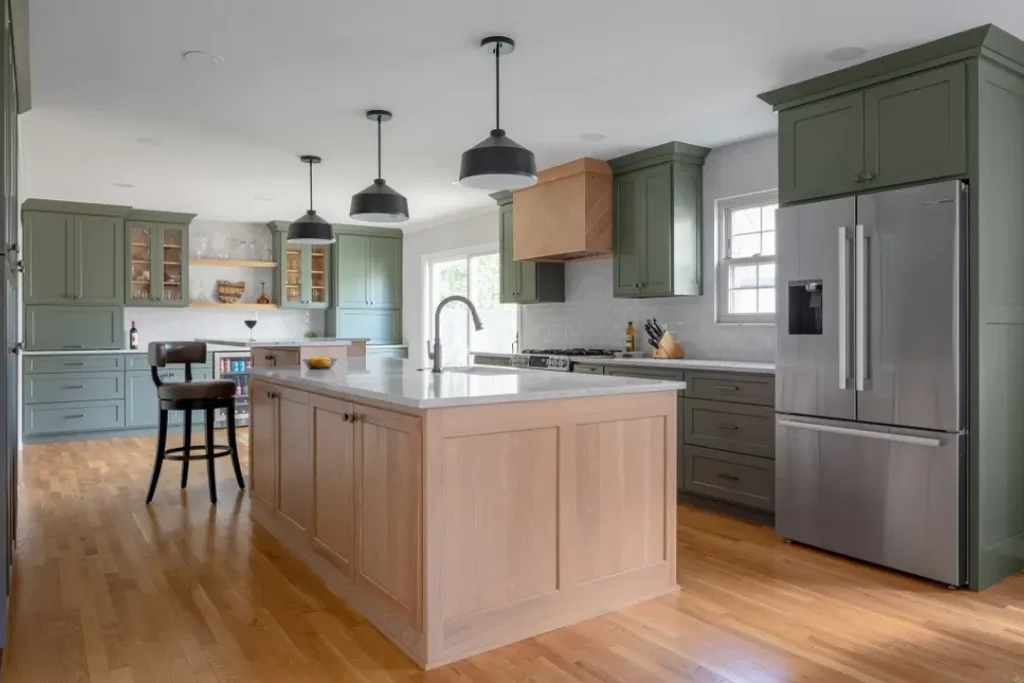
- Bold Green Shades: Deep greens bring natural color and sophisticated style indoors.
- Rich Blue Tones: Blue countertops create striking contrast without overwhelming the kitchen.
- Honed Finishes: Soft, matte surfaces provide a subtle and modern appearance.
- Full-Height Countertop Backsplashes: Matching surfaces create a seamless, polished, upscale kitchen design.
- Large-Format Slabs: Fewer seams create clean lines and a more spacious appearance.
Which Countertop Materials Should You Consider?
The right countertop material affects your kitchen’s style, durability, maintenance, and budget. Each material offers different benefits and limitations for everyday kitchen use.
Explore these popular countertop materials to find the right fit:
| Materials | Strength | Weakness |
| Quartz | Durable, stain-resistant, low-maintenance, and available in many colors and patterns. | Can be damaged by extreme heat and may cost more than other options. |
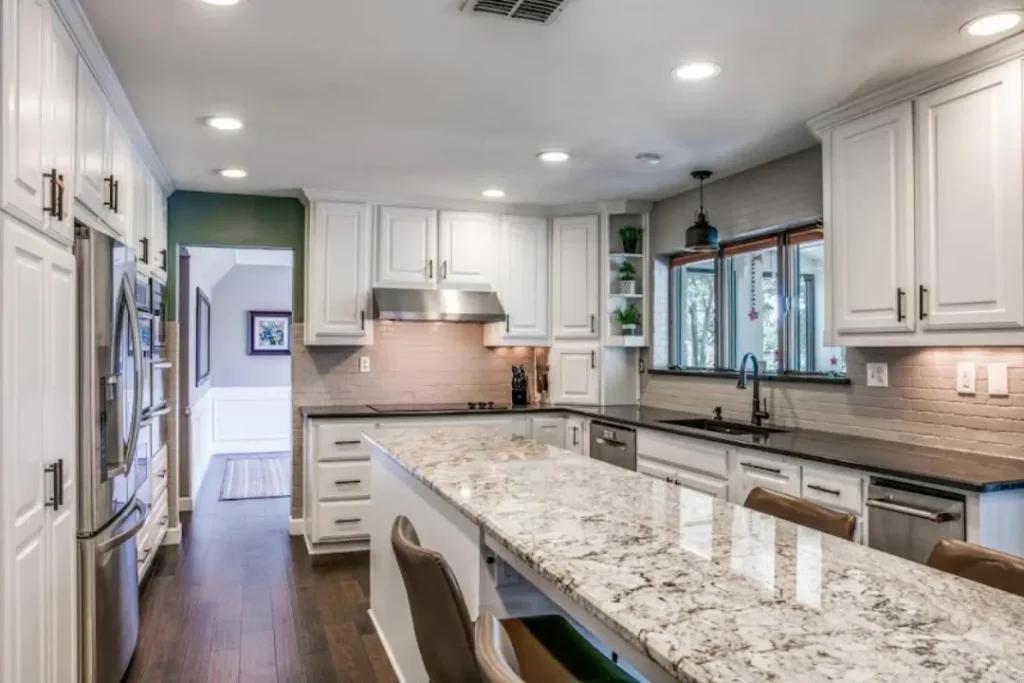
| Granite | Highly durable, heat-resistant, scratch-resistant, and available in unique natural patterns. | Requires periodic sealing and can have a higher installation cost. |
| Marble | Offers timeless beauty, natural veining, and a luxurious appearance. | A porous surface can stain and scratch easily without proper care. |
| Quartzite | Extremely hard, heat-resistant, and provides the look of natural stone. | Usually expensive and may require regular sealing for protection. |
| Laminate | Affordable, lightweight, easy to clean, and available in many designs. | Less resistant to heat, scratches, and moisture than stone materials. |
| Solid Surface | Seamless installation, simple repairs, and many colors and styles available. | Can scratch more easily and may suffer damage from hot cookware. |
| Porcelain | Highly resistant to heat, stains, scratches, and moisture. | Installation can be difficult because the material may chip during cutting. |
| Butcher Block | Adds warmth, natural beauty, and a comfortable surface for food preparation. | Requires regular sealing and can develop stains, scratches, or water damage. |
| Concrete | Highly customizable in color, shape, texture, and overall design. | Heavy material that can crack and requires professional installation. |
| Soapstone | Naturally heat-resistant, nonporous, and develops a unique look over time. | Softer than many stones, making it more vulnerable to scratches and dents. |
Our Recommendations for Choosing Countertop Materials:
- Quartz works well for homeowners seeking durable countertops with minimal daily maintenance.
- Granite is ideal when natural patterns and strong heat resistance matter most.
- Marble suits elegant kitchens where timeless beauty is the main design priority.
- Quartzite offers an excellent balance of natural stone beauty and exceptional durability.
- Laminate makes sense when keeping your countertop project affordable is important.
- Solid surface provides flexibility with seamless designs and simple repair options.
- Porcelain stands out for excellent resistance to heat, stains, and everyday scratches.
- Butcher block adds warmth and natural character to comfortable, inviting kitchen spaces.
- Concrete allows greater customization for homeowners wanting a distinctive countertop design.
- Soapstone brings a unique character with a softer surface that naturally ages over time.
How Should You Plan Before Remodeling Kitchen Countertops?
Proper planning helps prevent costly mistakes and keeps your kitchen remodeling project organized. As experienced contractors, we recommend several important steps before installation begins.
- Inspect the existing countertops to identify damage, weak areas, and potential installation challenges.
- Measure the countertop space carefully to determine accurate material quantities and dimensions.
- Set a realistic budget that includes materials, labor, removal, delivery, and unexpected costs.
- Select a suitable material based on durability, maintenance needs, kitchen style, and budget.
- Choose the countertop edge profile to complement your cabinets and overall kitchen design.
- Check cabinet condition to ensure they can properly support the new countertop.
- Plan sink placement before ordering materials to avoid installation and plumbing complications.
- Decide on backsplash details so the countertop and wall design work together.
- Review appliance locations to ensure the new countertop fits around every appliance properly.
- Confirm installation requirements with your contractor before ordering or scheduling countertop materials.
- Plan for temporary kitchen use because countertop installation may limit access temporarily.
- Schedule professional installation to ensure proper measurements, secure fitting, and clean finishing.
How to Remodel Kitchen Countertops: Our Professional Method
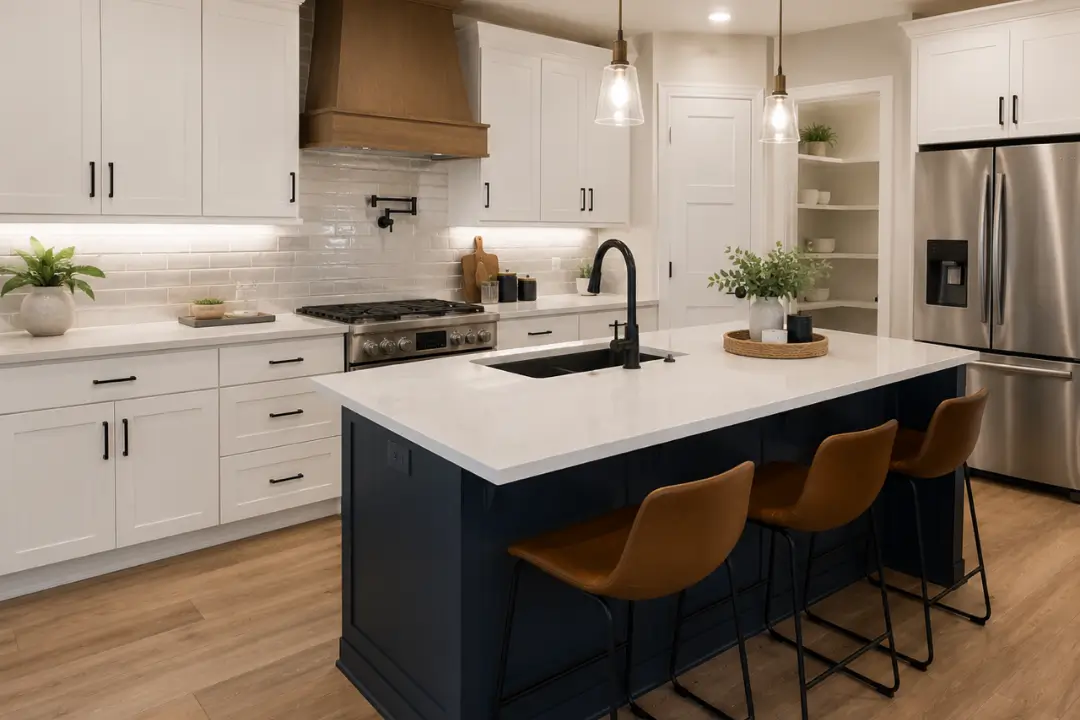
As Tulsa’s kitchen remodeling contractor, we approach every countertop project with careful planning, skilled preparation, and proper installation for lasting results. Check our step-by-step process to understand what happens.
1. Careful Countertop Removal
The remodeling process starts by carefully removing your existing countertops without damaging surrounding cabinets or walls. We disconnect fixtures, remove fasteners, and lift the old surface in sections when needed.
Thus, we can also inspect the cabinets underneath. Any hidden damage, moisture problems, or structural concerns can then be identified before preparing the space for your new countertops.
2. Surface Preparation and Repairs
Once the old countertops are removed, we prepare the base for the new surface. Our team inspects cabinets for levelness, strength, and damage that could affect installation.
Repairs may include reinforcing weak areas, replacing damaged sections, or adjusting uneven cabinets. A stable, properly prepared base helps prevent movement, cracking, and alignment problems after your new kitchen countertops are installed.
3. Accurate Countertop Templating Process
Templating creates an accurate pattern for your new countertops before fabrication begins. We carefully measure walls, cabinets, corners, sinks, appliances, and other openings. Our experts use digital tools or physical templates to capture exact dimensions.
Accurate templating reduces fitting problems and helps ensure the finished countertop matches your kitchen layout. It also determines where seams, edges, and cutouts will appear.
4. Professional Countertop Fabrication
After measurements are confirmed, the selected countertop material moves into fabrication. Our skilled fabricators cut the material according to the approved template and create openings for sinks, faucets, and cooktops.
They also shape the chosen edge profile and finish exposed surfaces. Careful fabrication improves the countertop’s appearance while ensuring each piece fits properly within your kitchen’s specific measurements and design.
5. Precise Countertop Installation
During installation, the fabricated countertop pieces are carefully positioned on the prepared cabinets. We check alignment, levelness, seams, edges, and overhangs before securing everything in place.
Depending on the material, appropriate adhesives and support methods are used to create a stable installation. Professional installation prevents shifting, uneven surfaces, visible gaps, and other problems that can affect long-term performance.
6. Professional Plumbing Connections
After the countertop is securely installed, plumbing fixtures can be connected or reconnected. This usually includes the kitchen sink, faucet, water supply lines, and drain connections.
We ensure each connection is properly fitted and checked for leaks. If the sink location or design has changed, additional plumbing adjustments may be necessary to accommodate the new countertop and fixtures correctly.
7. Detailed Finishing and Cleanup
The final stage focuses on completing details and leaving your remodeled kitchen ready for use. We inspect seams, edges, backsplash connections, and countertop surfaces for imperfections.
Any required caulking or finishing work is completed carefully. Our team then removes installation debris and cleans the work area. A final inspection confirms that your new countertops look polished, function properly, and meet expectations.
How to Remodel Kitchen Countertops on a Budget
A countertop remodel does not always require a large investment or expensive materials. Smart planning and practical upgrades can help you create a beautiful kitchen while controlling costs.
Here is how to reduce costs when hiring a contractor:
- Choose affordable materials: Compare durable countertop materials that offer good performance without exceeding your budget.
- Keep the existing layout: Avoid moving sinks, appliances, or plumbing to reduce additional labor costs.
- Compare contractor estimates: Request detailed quotes from several contractors before making your final decision.
- Reuse existing cabinets: Keeping structurally sound cabinets can eliminate unnecessary replacement and installation expenses.
- Plan everything beforehand: Finalize materials, measurements, fixtures, and design details before work begins to prevent changes.
We also share some budget-friendly countertop upgrade ideas without requiring major remodeling:
Install a Countertop Overlay
Countertop overlays can refresh worn surfaces without completely removing the existing countertop. This approach creates a new appearance while reducing demolition, disposal, and installation expenses.
Refinish the Existing Countertop
Professional refinishing can transform an outdated countertop with new colors, textures, or finishes. It works especially well when the existing surface remains structurally sound and functional.
Add a New Backsplash
A new backsplash can dramatically improve your kitchen’s appearance without replacing the countertop. Choose affordable tile or simple materials that complement your existing countertop.
Replace Only the Countertop
Keeping your cabinets, flooring, appliances, and layout can significantly reduce remodeling costs. Replacing only the countertop provides a noticeable upgrade without requiring a complete kitchen renovation.
Update the Countertop Edge
Changing the edge profile can give an existing countertop a more finished appearance. This smaller improvement works best when the countertop material remains suitable for modification.
Add a Small Kitchen Island
A compact island can provide additional workspace and visual appeal without replacing every countertop. Consider an affordable butcher block or laminate surface for practical savings.
What Are the Common Risks When Remodeling Kitchen Countertops?
Kitchen countertop remodeling can involve unexpected problems that affect cost, timing, or quality. Let’s look at common risks and how professional planning can prevent them.
The common countertop remodeling risks include:
- Inaccurate measurements and poor countertop fit
- Hidden cabinet damage beneath countertops
- Unexpected plumbing or electrical complications
- Cracks, chips, or material damage
- Uneven cabinets causing installation problems
- Unexpected project costs or delays
- Poorly sealed seams and edges
- Damage to walls or surrounding cabinets.
How We Manage and Prevent These Risks
We begin with careful measurements, cabinet inspections, and detailed project planning before fabrication starts. Our team checks the existing structure, identifies potential issues, and confirms countertop dimensions, sink openings, edges, and appliance locations.
During installation, we use proper tools, materials, and proven techniques to protect your kitchen. We carefully handle countertop pieces, secure surfaces correctly, check seams and levels, and inspect plumbing connections for leaks.
Final Thoughts
A countertop should match how you actually use your kitchen, not just how you want it to look. Pay attention to heat exposure, cleaning habits, edge durability, seam placement, and cabinet strength. A slightly higher material cost can be worthwhile if it reduces repairs, maintenance, or replacement needs over the years.
Need help estimating your countertop remodeling cost or selecting the right material? Contact Betterment Home Improvement for professional guidance. We can evaluate your kitchen, discuss suitable options, and provide a clear estimate based on your requirements.